Drive-Thru System in Saudi Arabia: Speed Up Every Order in 2026
A modern drive-thru system in Saudi Arabia is the difference between a smooth, high-volume lane and a traffic jam of frustrated customers. As quick-service restaurants, pharmacies, and coffee chains expand across the Kingdom, the drive-thru has become one of the most profitable and demanding channels in the business. In 2026, the technology behind that little order speaker is surprisingly sophisticated.
This article breaks down how a drive-thru system works, the headset and timer technology that powers it, and how to measure and improve lane performance. If your goal is faster service and higher throughput, this is where to start.
What Is a Drive-Thru System, Really?
A drive-thru system is the combined hardware and software that lets a team take, prepare, and deliver orders to customers who never leave their cars. It is far more than a microphone. A complete setup includes wireless headsets, a menu board with a speaker post, vehicle detection sensors, and a timer that tracks every second of the journey.
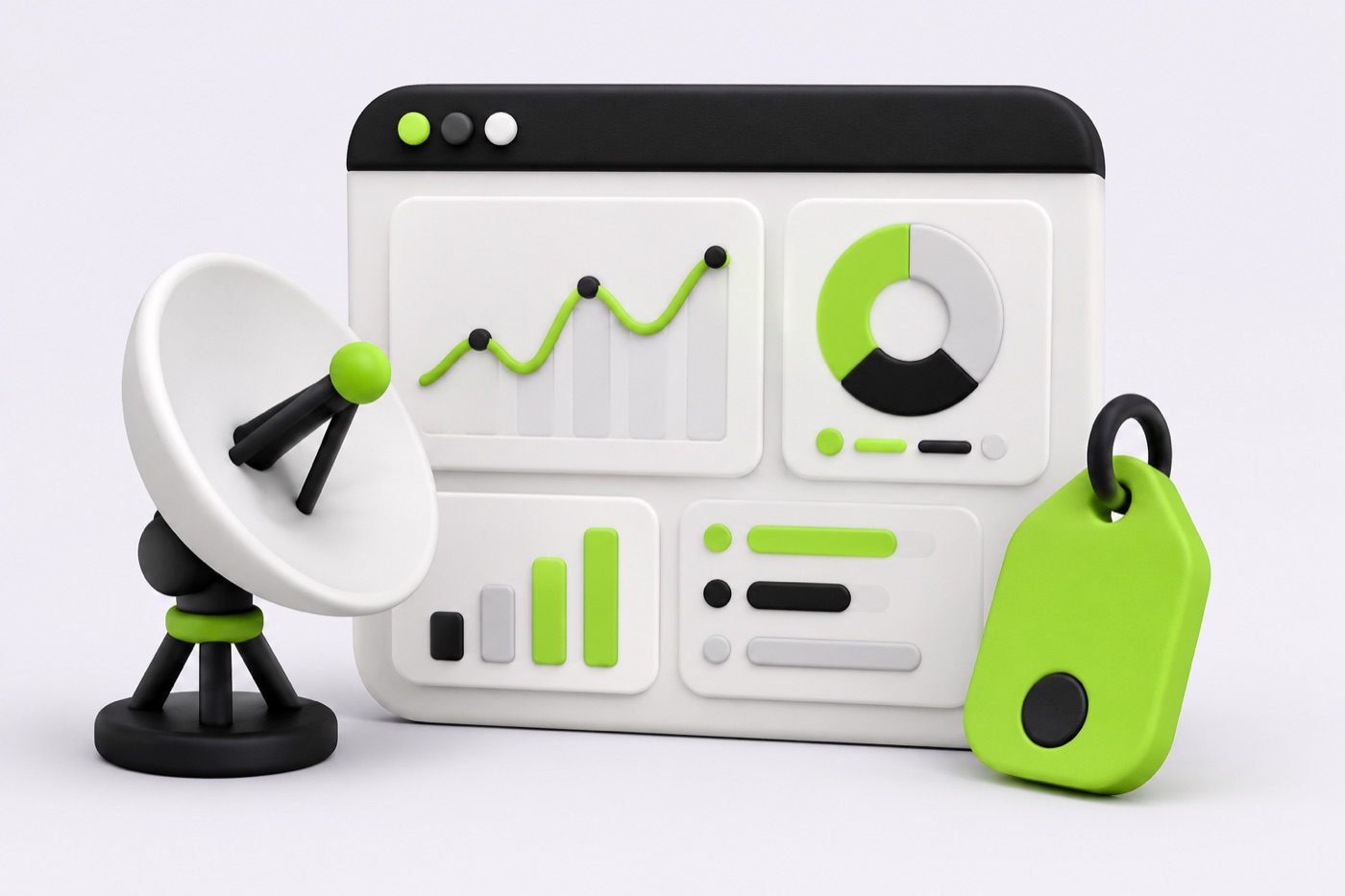
The best drive-thru system in Saudi Arabia ties all of this into a single dashboard so managers can see exactly where cars slow down. That visibility is what separates a lane serving 120 cars an hour from one stuck at 70.
The Core Technology Stack
Wireless Communication Headsets
Crew members wear noise-canceling headsets that connect to a base station. Clear audio matters more than most owners expect. In desert climates with air conditioning noise and traffic, a weak headset causes repeated orders, mistakes, and slow lanes.
Vehicle Detection Loops
Sensors buried in the pavement, or newer above-ground detectors, sense when a car arrives at the speaker and when it pulls away. These triggers feed the timer automatically.
Order Timers and Dashboards
The timer is the brain of the operation. It records greet time, order time, and total lane time, then compares them against targets. Leading vendors, including those that supply the HME drive thru in saudi arabia lineup, offer color-coded displays that flash red the moment a car sits too long.
Digital Menu Boards
Outdoor screens now replace static menu panels. They update pricing instantly, run day-part menus, and even suggest add-ons based on the time of day.
Key Metrics That Define a Fast Lane
You cannot improve what you do not measure. These are the numbers every drive-thru manager watches in 2026.
| Metric | What It Measures | Good Target |
|---|---|---|
| Greet time | Seconds before a customer is welcomed | Under 5 seconds |
| Order time | Time to take the full order | Under 60 seconds |
| Total lane time | Entry to exit of the lane | Under 4 minutes |
| Cars per hour | Throughput at peak | 90 to 130 |
| Order accuracy | Correct orders delivered | Above 97 percent |
Why Drive-Thru Matters More in Saudi Arabia
The Kingdom has a strong car culture, hot summers, and a booming quick-service market. Customers often prefer the comfort of an air-conditioned vehicle over waiting inside a busy store. That makes the drive-thru a primary revenue channel, not an afterthought.
- Weather: High temperatures push demand toward in-car service.
- Convenience: Families and commuters value speed and ease.
- Volume: Peak hours generate intense back-to-back traffic.
- Brand growth: International chains expanding under Vision 2030 demand consistent lane performance.
Practical Tips to Speed Up Your Lane
From real deployments, small operational tweaks often beat expensive rebuilds. Try these first.
- Position your best communicator on the headset during peak hours.
- Use a dedicated payment and pickup window separation where space allows.
- Pre-stage popular items during forecasted rush periods.
- Review timer reports daily and coach on the slowest station.
- Keep the digital menu board simple to speed decisions.
When you plan a new build, it pays to bring in reliable local experts who understand both the hardware and the traffic patterns unique to your site.
Integrating Drive-Thru With the Rest of Your Operation
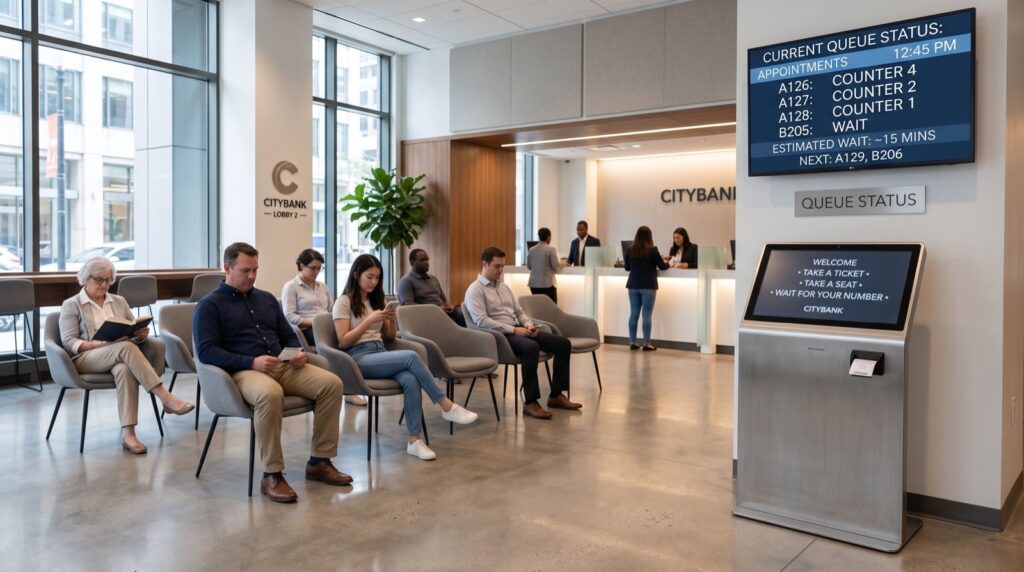
The strongest results come when the lane connects to your kitchen display, point-of-sale, and even your indoor queuing setup. A vendor offering a full queue management system in saudi arabia can unify counter and lane data, giving managers one clean picture of the whole store.
Industry research backs the payoff. The QSR Drive-Thru Study consistently shows that even 10 to 20 seconds shaved off total service time can lift daily car counts and revenue meaningfully.
Training Your Crew to Match the Technology
Even the sharpest hardware underperforms with an untrained crew. In 2026, the fastest lanes in the Kingdom pair reliable equipment with a short, repeatable onboarding routine so every shift greets, orders, and hands off with the same rhythm. Consistency is what turns a good timer report into a great one.
Build a simple training ladder that every new hire can complete in their first week. It removes guesswork and shortens the learning curve that usually drags total lane time upward.
- Headset basics: Teach volume control, mute etiquette, and a standard greeting script.
- Order confirmation: Coach staff to repeat the order back before the customer pulls forward.
- Timer awareness: Show new crew how to read the color-coded display and react to red.
- Handoff discipline: Practice a clean bag-and-verify step so accuracy never slips at the window.
Refresher drills during slow afternoon hours keep skills sharp without hurting peak service. Managers who run a five-minute pre-rush huddle almost always see steadier numbers than those who rely on the technology alone.
Common Mistakes That Slow a Saudi Drive-Thru
Most lane slowdowns are not caused by faulty hardware; they come from small habits that quietly stack up. Watch for these avoidable pitfalls before you blame the equipment.
- Overloading the digital menu board so customers hesitate and decision time climbs.
- Ignoring daily timer reports until a bad week forces a reaction.
- Letting headset batteries run low instead of hot-swapping on schedule.
- Stacking payment and pickup at a single window during peak rush.
- Leaving one weak communicator on the speaker through the busiest hour.
Fixing even two of these usually shaves valuable seconds off total lane time, and in a car-first market those seconds convert directly into extra cars served each day.
Frequently Asked Questions
How long does it take to train new drive-thru staff?
With a structured ladder covering headset use, order confirmation, timer awareness, and clean handoffs, most new crew reach reliable peak-hour performance within their first week. Short pre-rush huddles keep the whole team consistent afterward.
What does a drive-thru system in Saudi Arabia include?
It typically includes wireless headsets, a base station, vehicle detection sensors, an order timer with a dashboard, a speaker post, and a digital menu board, all working together to move cars through faster.
How can I make my drive-thru lane faster?
Focus on greet and order times first. Assign strong communicators to the headset, pre-stage popular items at peak, review timer reports daily, and simplify the menu board to speed customer decisions.
Do drive-thru timers really improve performance?
Yes. Timers make slow points visible in real time, so managers can coach staff and reorganize the lane. Even small reductions in total lane time can raise cars-per-hour and daily sales.
Can a drive-thru connect to my indoor queue and POS?
Modern systems integrate with point-of-sale, kitchen display screens, and indoor queuing platforms, letting one dashboard track both counter and lane service for a complete operational view.
Conclusion
A high-performing drive-thru system in Saudi Arabia is built on clear communication, accurate timing, and data you actually act on. By investing in reliable headsets, precise timers, and integrated dashboards, and by coaching your team with daily metrics, you can turn a crowded lane into a smooth revenue engine in 2026. Ready to accelerate every order? Speak with a drive-thru specialist and put your lane data to work today.